Use current contract data first
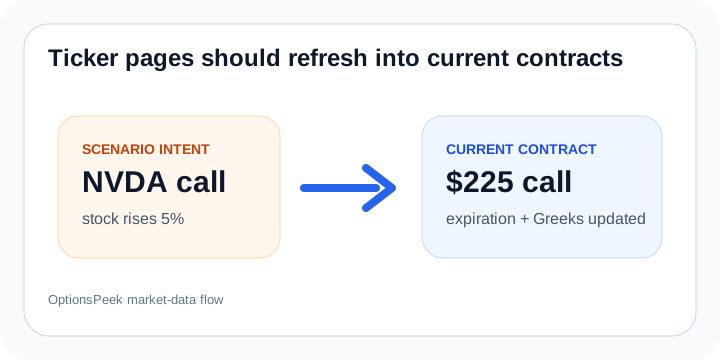
For NVDA, stale strikes and old option prices can become misleading quickly. The better workflow is to start from a current expiration and strike, then let OptionsPeek load or estimate the available market inputs.
The curated NVDA pages are designed as starting points, but the option contract scenario card is where the current contract details should be reviewed before calculating.
Compare call and put scenarios
A bullish NVDA call scenario and a bearish NVDA put scenario can behave differently even if the stock move looks similar in size. Moneyness, expiration, IV, and Greeks all shape the estimate.
Use the side selector, expiration picker, and strike suggestions to build the contract you actually care about rather than forcing the scenario around an outdated example.
Review the estimate in context
After calculating, compare the Estimate Summary with the Greeks Breakdown and the stock price chart. NVDA scenarios can be especially sensitive to Gamma and implied volatility, so the supporting views matter.
The result is still an estimate, not pricing truth, but it gives you a disciplined way to reason about the move before staring at a fast-moving option chain.