Delta is usually the first force
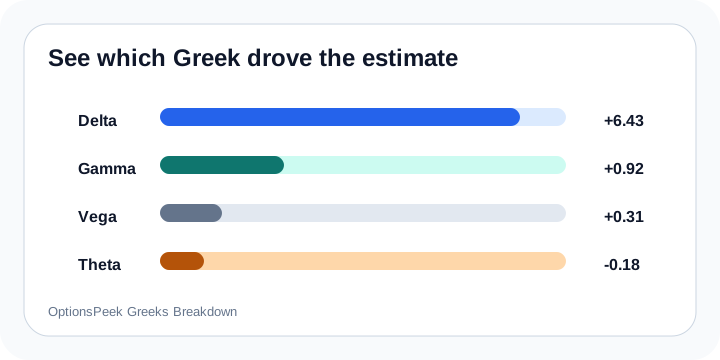
Delta is the first directional estimate: how much the option tends to move for a $1 move in the stock. For many ordinary scenarios, it explains the biggest part of the change.
But Delta is not the whole story, especially for near-the-money contracts, short-dated contracts, or larger stock moves.
Gamma, Vega, and Theta bend the result
Gamma shows how Delta changes as the stock moves. Vega shows how implied volatility changes affect the option. Theta shows the effect of time decay across the scenario horizon.
When the breakdown shows one of those terms becoming meaningful, the estimate is telling you that direction alone is not enough to explain the move.
Why bar lengths help
OptionsPeek shows the Greek contributions visually so you can compare their relative impact quickly. A long Delta bar and tiny Vega bar tell a different story than a scenario where volatility is doing a lot of the work.
That context is useful when you are deciding whether to trust, adjust, or rerun the scenario.